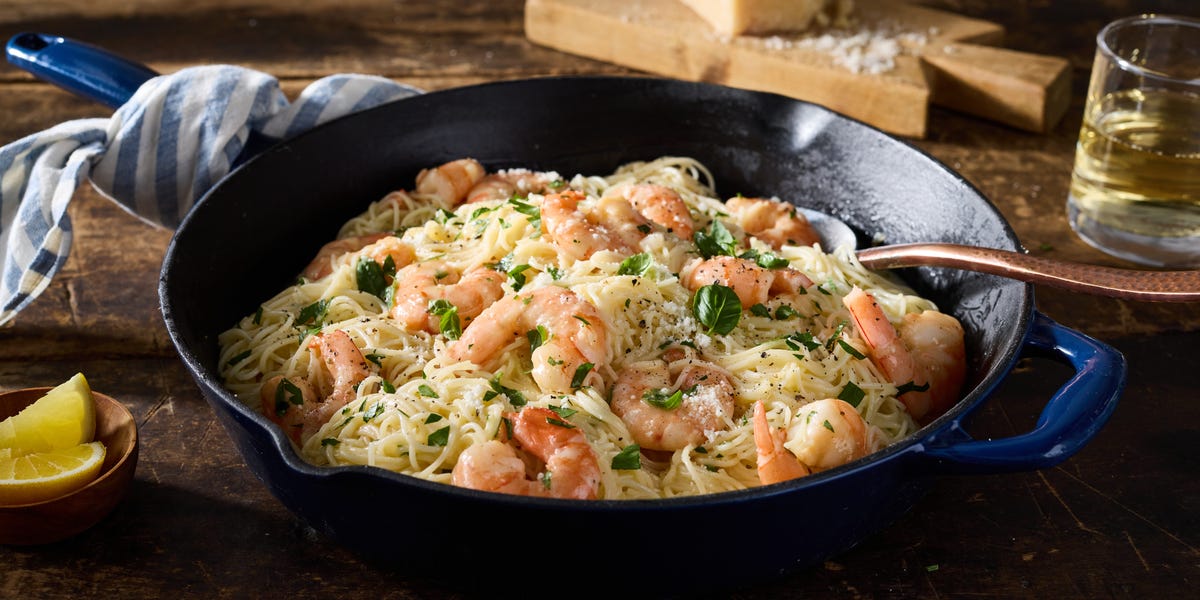
Unlocking the Secrets to Perfect Shrimp Scampi: Tail On vs. Off, Pasta & Sauce Mastery
Shrimp Scampi. Just the name evokes images of succulent shrimp bathed in a glistening lemon-garlic butter sauce, often tossed with delicate pasta. It's a dish that feels undeniably gourmet, yet its true magic lies in its stunning simplicity and lightning-fast preparation. Forget the myth that exquisite meals require hours in the kitchen; a truly perfect
shrimp scampi recipe can be on your table in under 15 minutes, transforming an ordinary weeknight into a culinary delight. Whether you're a seasoned home cook or a complete novice, mastering this Italian-American classic is within your reach, and we're here to reveal all its delicious secrets, from the age-old "tail on or off" debate to crafting the ultimate sauce.
The Irresistible Foundation: What Makes a Shrimp Scampi Recipe Sing?
At its heart, shrimp scampi is a symphony of a few star ingredients, each playing a crucial role in creating that unforgettable flavor profile. Understanding these components is the first step to crafting a dish that rivals any restaurant.
The Star of the Show: The Shrimp
Selecting the right shrimp is paramount. While you can use various sizes, most professional chefs and home cooks agree that
large shrimp (31-40 count per pound) strike the perfect balance. This size ensures you get a satisfying bite of shrimp without it overpowering the pasta or becoming lost in the sauce. Smaller shrimp cook faster, so watch them carefully to avoid rubbery results, while jumbo shrimp might need an extra minute or two.
A common question is whether to use fresh or frozen shrimp. The good news? Frozen shrimp is perfectly acceptable and often more convenient! Most shrimp sold as "fresh" at the seafood counter has typically been thawed from frozen anyway. Keep a bag of frozen, peeled, and deveined shrimp in your freezer, and you're always just minutes away from a fantastic dinner. Simply thaw it quickly under cold running water for a speedy defrost.
The Soul of the Dish: The Scampi Sauce
The sauce is where the magic truly happens, a harmonious blend of richness, acidity, and aromatic depth. The core ingredients for a classic
shrimp scampi recipe sauce are:
*
Butter: The foundation of richness and flavor. Don't skimp here; good quality butter makes a difference.
*
Garlic: Generous amounts of finely minced garlic are non-negotiable. It's the dominant aromatic.
*
White Wine: A dry white wine like Pinot Grigio or Sauvignon Blanc adds complexity and depth, deglazing the pan and contributing a subtle fruitiness. If you prefer not to use alcohol, a good quality chicken or vegetable broth can be substituted, though the wine adds an undeniable layer of flavor.
*
Lemon: Fresh lemon juice is vital. It brightens the sauce, cuts through the richness of the butter, and awakens all the other flavors. A final squeeze just before serving is a must.
*
Fresh Herbs: Parsley and a hint of basil are traditionally used, adding a burst of freshness and color. Chop them finely and stir them in at the very end to preserve their vibrant flavor.
*
Red Pepper Flakes (Optional): For those who enjoy a little kick, a pinch of red pepper flakes adds a delightful warmth without overwhelming the dish.
This combination creates an unbelievably luscious, flavorful sauce that beautifully coats every strand of pasta and every tender shrimp.
The Great Debate: Tail On vs. Tail Off for Your Shrimp Scampi
This is one of those culinary questions that often sparks lively discussion among food enthusiasts. Ultimately, the choice between tail-on or tail-off shrimp in your
shrimp scampi recipe comes down to a balance of aesthetics, flavor, and practicality.
Arguments for Tail On:
1.
Presentation: Leaving the tails on undeniably makes for a more elegant and visually appealing dish. The curl of the pink shrimp with its tail intact adds a touch of sophistication, making it feel more like a restaurant-quality meal.
2.
Flavor Contribution: While subtle, the shells (even just the tail portion) can contribute a deeper, more robust shrimp flavor to the sauce as they cook.
3.
"Handle" for Appetizers: If you're serving shrimp scampi as an appetizer with crusty bread for dipping, the tail acts as a convenient little handle, making it easy for guests to pick up the shrimp.
Arguments for Tail Off:
1.
Ease of Eating: This is the primary reason many prefer tail-off. When tossing scampi with pasta, having to peel each tail as you eat can be cumbersome and messy. Tail-off shrimp allows for a seamless, enjoyable eating experience where every bite is pure deliciousness.
2.
Integrated Experience: Without tails, the shrimp blends more harmoniously with the pasta and sauce, creating a truly integrated dish where you don't have to pause to remove anything.
Our Recommendation: For a casual family dinner where you're serving it with pasta,
tail-off often wins for pure practicality and enjoyment. However, if you're aiming for a stunning presentation for a special occasion or serving it as an appetizer,
tail-on adds that extra touch of flair. The good news is, either option results in a fantastic dish, so choose what best suits your preference and occasion. Many home cooks simply use whatever they have on hand!
Pairing Perfection: The Ideal Pasta and Beyond
While the shrimp and sauce are stars, the vehicle that carries this deliciousness is equally important.
Choosing Your Pasta
For a classic
shrimp scampi recipe, the consensus favors long, thin pasta shapes. Why? Their delicate strands are perfect for clinging to the light, buttery sauce without overwhelming the tender shrimp.
*
Angel Hair Pasta: A top contender, angel hair cooks incredibly fast (often in just 2-3 minutes), making it ideal for a quick-cooking dish like scampi. Its fine texture allows it to be thoroughly coated in the sauce.
*
Spaghetti, Linguine, or Fettuccine: These slightly thicker long pastas also work beautifully, offering a bit more chew than angel hair while still being excellent at holding the sauce.
When serving, remember to save about a cup of your starchy pasta water. A splash or two added to the scampi sauce at the end can help emulsify it, creating an even silkier texture and helping the sauce better adhere to the pasta.
Beyond the Pasta: Versatile Serving Suggestions
Shrimp scampi is incredibly versatile and shines in many different contexts.
*
Appetizer with Crusty Bread: For a low-carb option or a crowd-pleasing starter, serve the shrimp and sauce simply with plenty of crusty Italian bread. The bread is perfect for soaking up every last drop of that amazing lemon-garlic butter sauce.
*
Low-Carb & Keto-Friendly: Ditch the pasta entirely! Scampi is fantastic served over zucchini noodles, spaghetti squash, or even roasted asparagus or broccoli. This makes it an ideal choice for those following specific dietary plans. You can learn more about making an
Irresistible Garlic Butter Shrimp Scampi: Keto & Pasta Friendly version.
*
Complete Meal Pairings: To round out your dinner, consider serving your shrimp scampi with a simple green salad dressed with a vinaigrette, and some warm garlic bread. For a truly indulgent experience, pair it with white wine spritzers.
Mastering the Method: Tips for a Restaurant-Quality 10-Minute Scampi
The beauty of a
shrimp scampi recipe lies not just in its flavor, but its remarkable speed. With a few key techniques, you can achieve restaurant-quality results in less time than it takes to order takeout. In fact, many people claim they can get
Restaurant-Quality Shrimp Scampi: Ready in 10 Minutes Flat!
1.
Mise en Place is Your Best Friend: This French culinary term means "everything in its place." Chop your garlic, measure your wine, have your lemon ready, and prep your shrimp *before* you even turn on the stove. This dish cooks so quickly that you won't have time to do prep work once the heat is on.
2.
Don't Overcrowd the Pan: Cook shrimp in batches if necessary, especially if you're making a larger quantity. Overcrowding cools the pan and causes the shrimp to steam rather than sear, resulting in a less desirable texture.
3.
High Heat, Quick Cook: Shrimp cook incredibly fast. Sear them over medium-high heat until they just turn pink and opaque, typically 2-3 minutes per side, depending on their size. Overcooked shrimp become rubbery, so keep a close eye on them!
4.
Deglaze for Maximum Flavor: After cooking the shrimp and building your garlic-butter base, the white wine (or broth) helps deglaze the pan, scraping up all those flavorful browned bits from the bottom.
5.
Freshness Counts: The vibrant taste of scampi heavily relies on fresh ingredients, especially the lemon juice and fresh herbs. Bottled lemon juice simply doesn't compare.
6.
Finish with Flair: A final drizzle of extra virgin olive oil (optional, but adds richness), a generous squeeze of fresh lemon, and a sprinkle of freshly chopped parsley and basil right before serving will elevate your dish.
Conclusion
Shrimp scampi stands as a testament to the power of simple, high-quality ingredients expertly combined. It's a dish that effortlessly straddles the line between everyday comfort food and elegant indulgence, proving that you don't need a complex recipe or endless hours in the kitchen to create something truly spectacular. By understanding the nuances of shrimp selection, mastering the rich and zesty sauce, deciding on the tail-on or tail-off debate, and pairing it with the perfect pasta (or low-carb alternative), you're now equipped to create a perfect
shrimp scampi recipe that will impress and delight every time. So go ahead, gather your ingredients, and prepare to be amazed by how quickly you can bring this exquisite dish to life.